In today’s construction and industrial sectors, insulation plays a critical role in energy efficiency, fire safety, and acoustic performance. Among various materials, glass wool insulation is widely used due to its excellent thermal properties and cost-effectiveness.
However, many buyers—especially international contractors, distributors, and project managers—often make avoidable mistakes when selecting glass wool insulation. These errors can lead to higher energy costs, compliance issues, and reduced building performance.
In this article, we’ll explore the most common mistakes and how to avoid them, helping you make informed purchasing decisions.
1. Choosing the Wrong Density
One of the most common mistakes is selecting glass wool based only on price rather than density.
Density directly affects:
- Thermal insulation performance
- Sound absorption
- Mechanical strength
For example:
- Low-density glass wool is suitable for ceilings and light-duty applications
- High-density glass wool is better for industrial equipment or HVAC systems
Tip: Always match the density to your specific application requirements instead of choosing the cheapest option.
2. Ignoring Thermal Conductivity (λ Value)
Thermal conductivity (lambda value) is a key indicator of insulation performance. The lower the λ value, the better the insulation.
Many buyers overlook this and rely only on thickness.
Industry Fact: According to international insulation standards, improving insulation efficiency can significantly reduce building energy consumption.
Tip: Request certified test reports and compare λ values between suppliers.
3. Overlooking Fire Safety Ratings
Fire resistance is critical, especially for commercial and industrial buildings.
Glass wool is generally non-combustible, but not all products meet the same fire standards.
Look for compliance with:
- EN 13501-1 (Europe)
- ASTM E84 (USA)
Tip: Always verify fire classification certificates before purchasing.
4. Not Checking Certifications (CE, ISO, etc.)
Many overseas buyers fail to verify whether the supplier meets international certification requirements.
Important certifications include:
- CE marking (for European markets)
- ISO quality management systems
Products without proper certification may:
- Be rejected at customs
- Fail project compliance checks
Tip: Choose suppliers with complete certification systems and verified test reports.
5. Focusing Only on Price, Not Lifecycle Cost
Low-cost insulation may seem attractive initially, but it often leads to:
- Poor thermal performance
- Shorter lifespan
- Higher energy bills
Industry Insight: High-quality insulation can reduce building energy consumption by up to 30–40%, making it a long-term investment rather than a cost.
Tip: Evaluate total lifecycle cost instead of upfront price.
6. Ignoring Moisture Resistance
Glass wool can lose effectiveness if exposed to moisture.
In humid environments or HVAC systems, improper selection can lead to:
- Mold issues
- Reduced insulation performance
Tip: Choose products with aluminum foil facing or vapor barriers when needed.
7. Not Considering Application-Specific Requirements
Different applications require different insulation solutions:
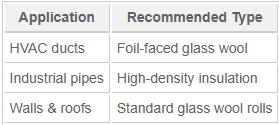
Tip: Always consult technical specifications before purchasing.
8. Choosing an Inexperienced Supplier
A reliable supplier doesn’t just provide products—they offer:
- Technical support
- Project-based recommendations
- Consistent product quality
Tip: Work with manufacturers who have export experience and proven project cases, contact us now for more professional advise on your insulation needs.
Conclusion
Buying glass wool insulation is not just about selecting a material—it’s about ensuring performance, safety, and long-term value.
By avoiding these common mistakes, you can:
- Improve project efficiency
- Reduce energy consumption
- Ensure compliance with international standards
If you're looking for high-quality glass wool insulation with complete CE certification and reliable performance, choosing the right supplier is the key to success.